Gairdín na Scoile
Téarma a Dó 2011/2012
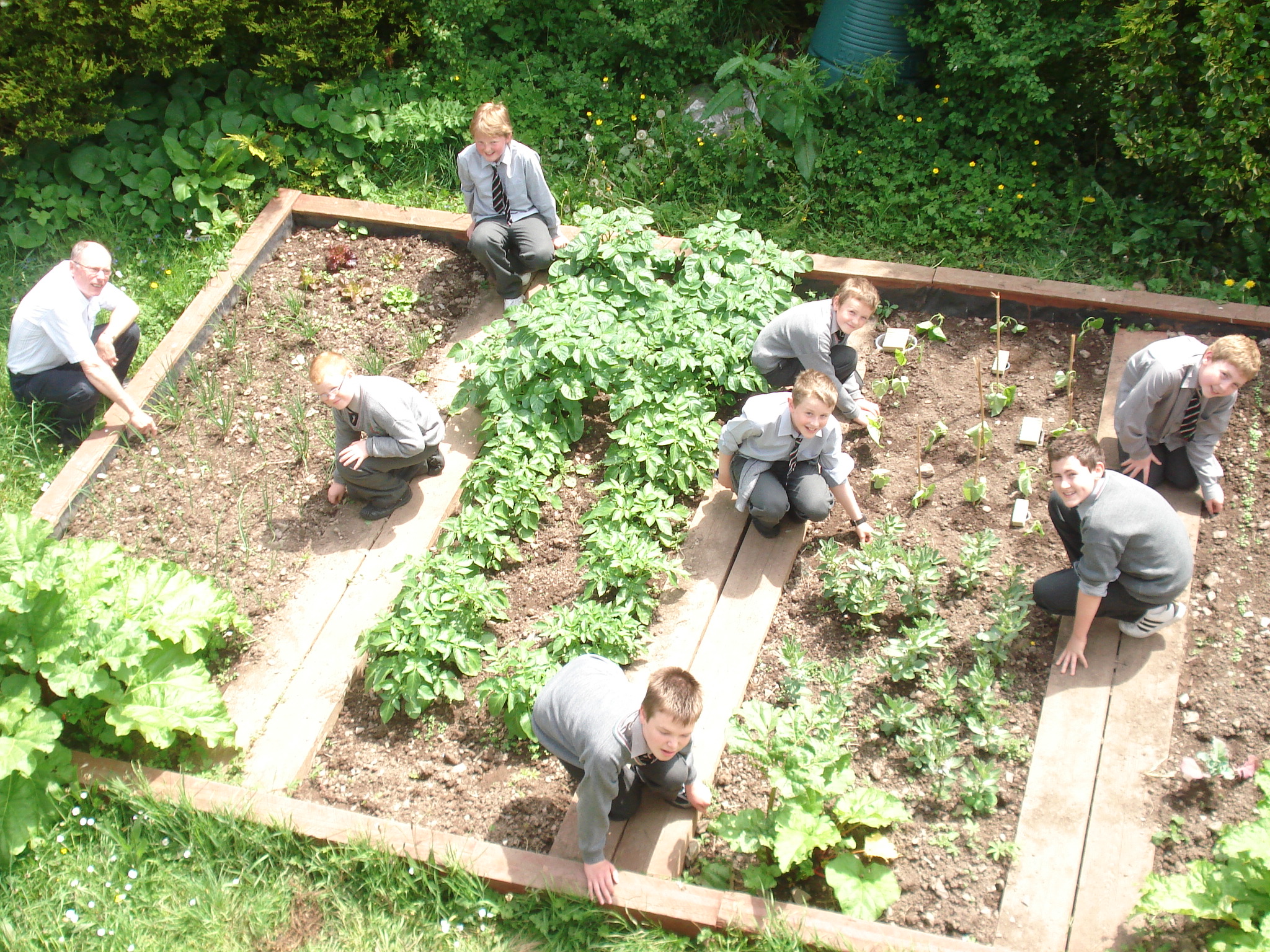
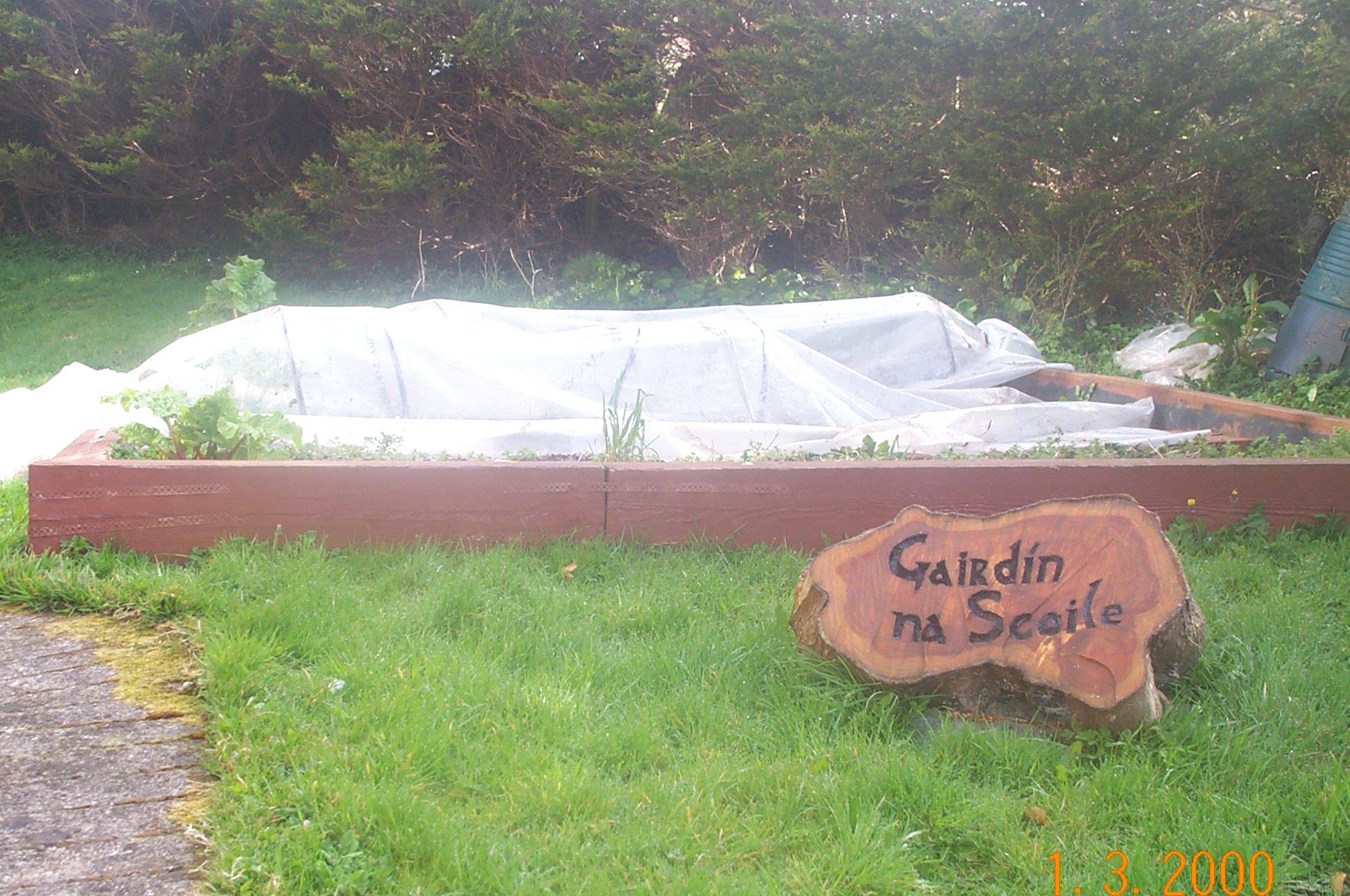
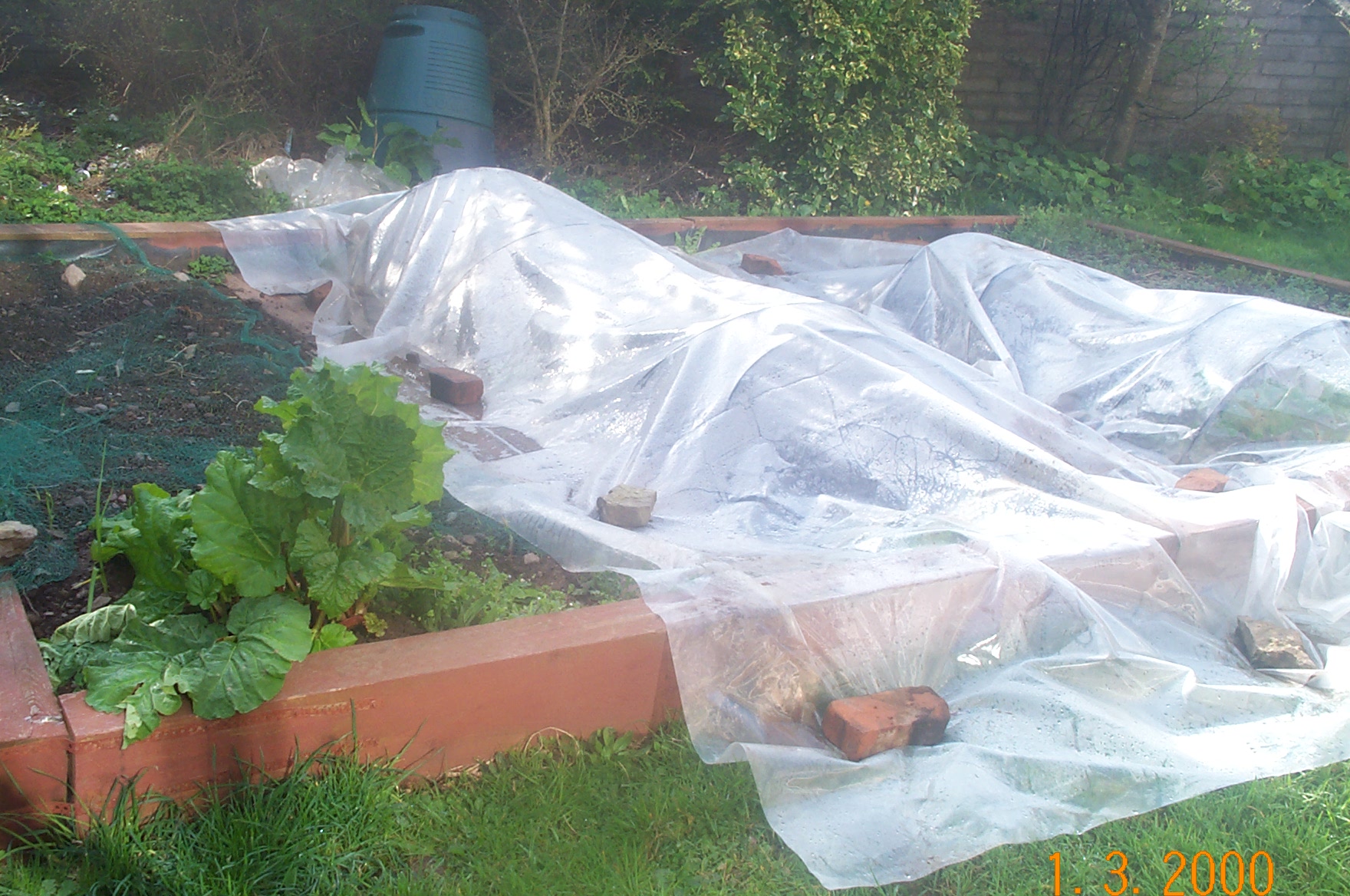
Our school vegetable garden is now coming into production and Mr. Fleming’s Rang a Ceathair have been very busy planting and setting. Garlic was planted earlier this year and in February onion sets and shallots were placed in the same bed. Early potatoes, Home Guards & British Queens were planted in another bed. French beans have been set in containers indoors and we hope to transplant those outdoors when the weather allows in another bed. Finally we hope to set some turnips and calabrese in the brassica bed in April.
Téarma a hAon 2011/12
Our school garden is at its resting period at present. When we returned to school in September we cleared the plots of all the weeds that had grown over the holidays. Then we planted some Phacelia and Rye. These plants act as a ground cover over the winter to protect the soil and in spring they are dug back into the soil and so, they act as a green manure. Garlic will be the first crop planted in the new year. This crop is best planted when the weather is cold—unlike other crops. In fact, the advice for garlic is that it is planted around the shortest day of the year and harvested around the longest day of the year! (Mr. Fleming)
Téarma a Trí 2010/11
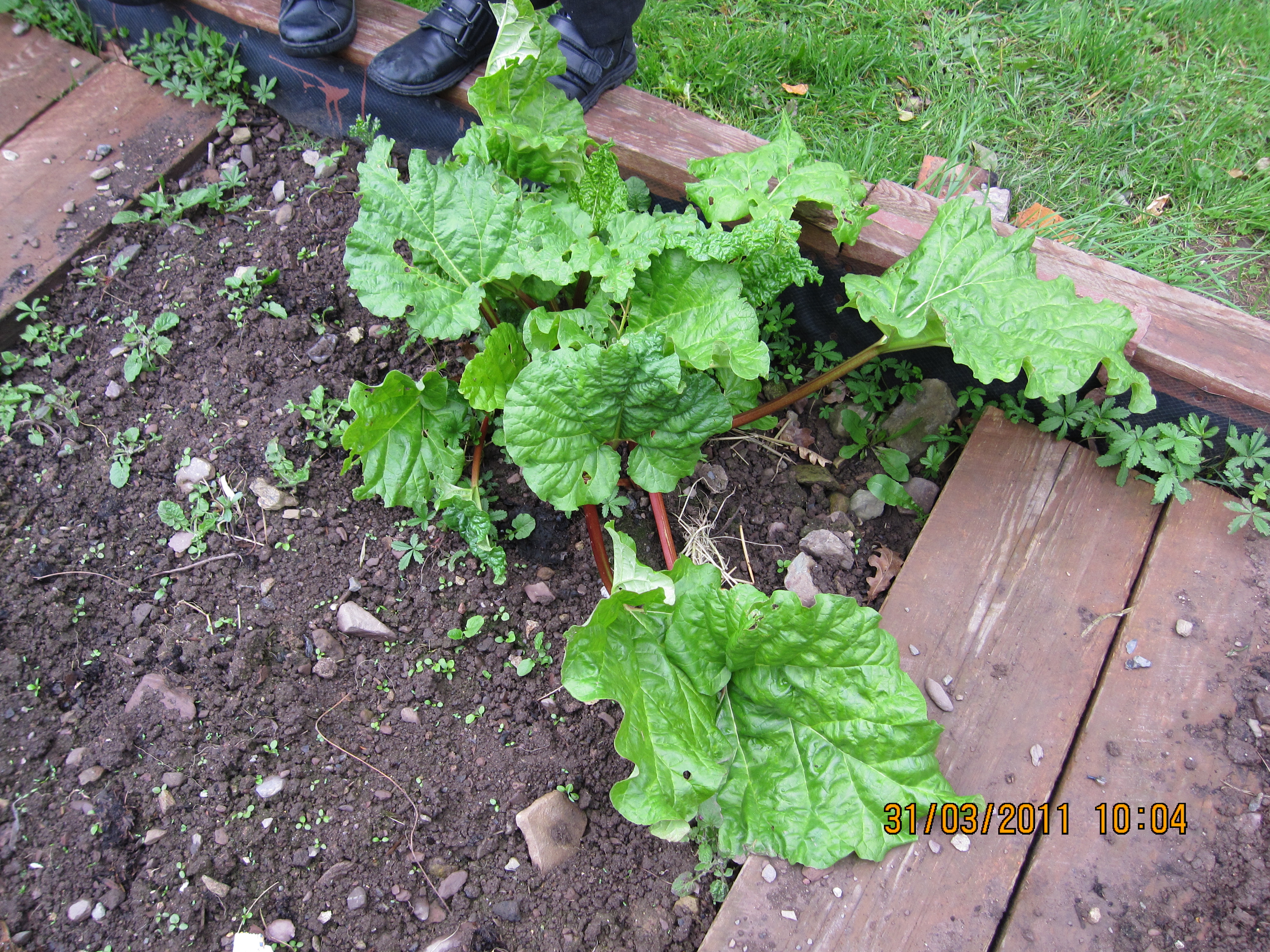
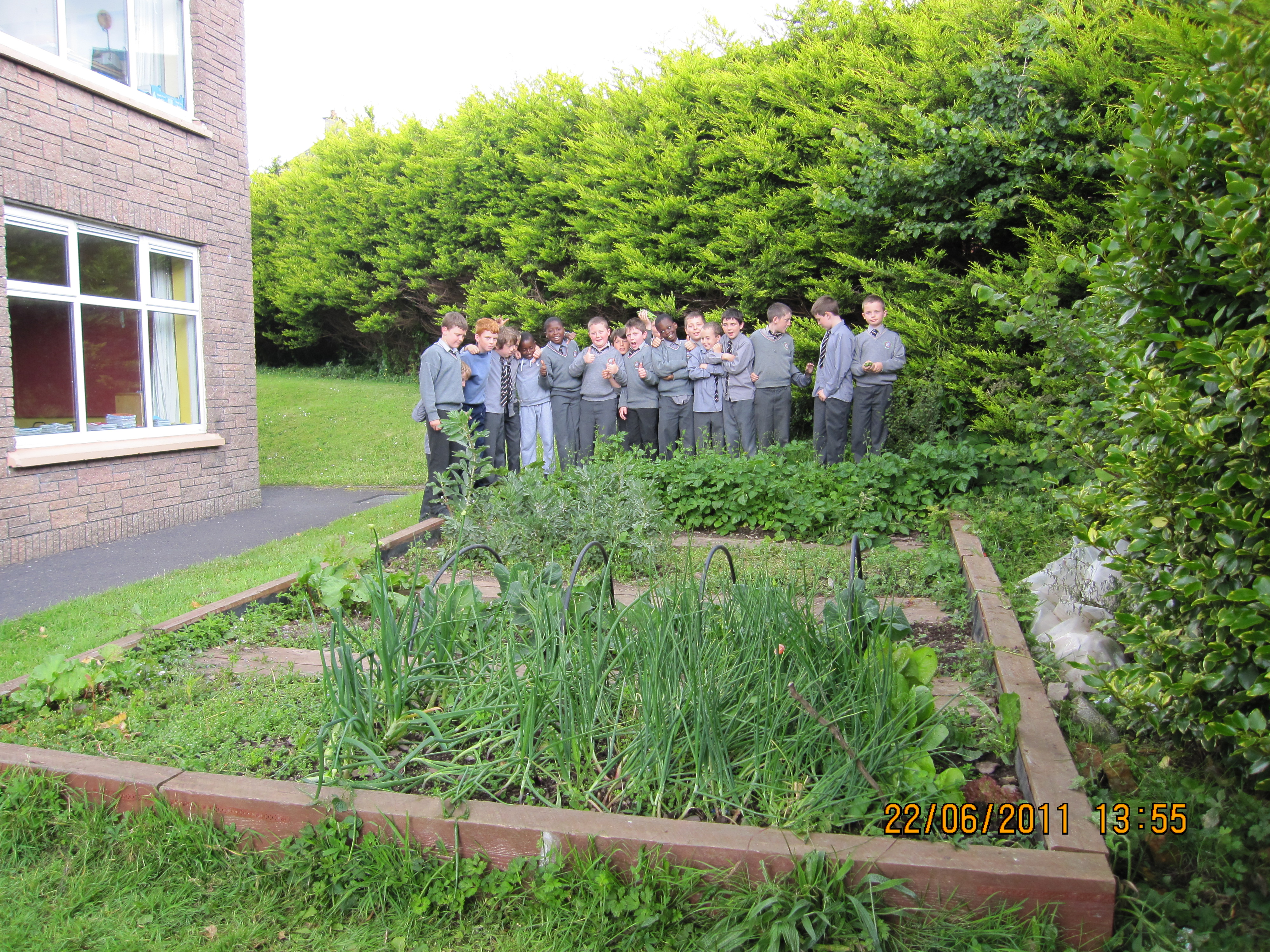
Despite some unsuitable weather our school vegetable garden has done well. Some rhubarb has been harvested earlier in June and on the last week we harvested potatoes, garlic, onions, shallots, cabbage and broad beans. We will sell these at our mini ‘Farmers’ Market’ at the school gate on Wednesday 29th June! The money collected will be used to finance our school vegetable plot for next year. (Mr. Fleming)
Our Indoor Garden! Summer 2010
Rang a Cúig (Mr. O’Loingsigh) grew peas and tomatoes in the sunny South/East facing classroom! The peas germinated really quickly in March and produced pods in May. The tomatoes were propagated from seed in February. In April they were transplanted to large pots when they were 24cm high. They grew spectacularly well, 1cm per day at first, accelerating to 5cm per day by May. By early June they measured 2m35cm and had lots of flowers and fruit. There are plenty of large green tomatoes just starting to ripen on the plants now.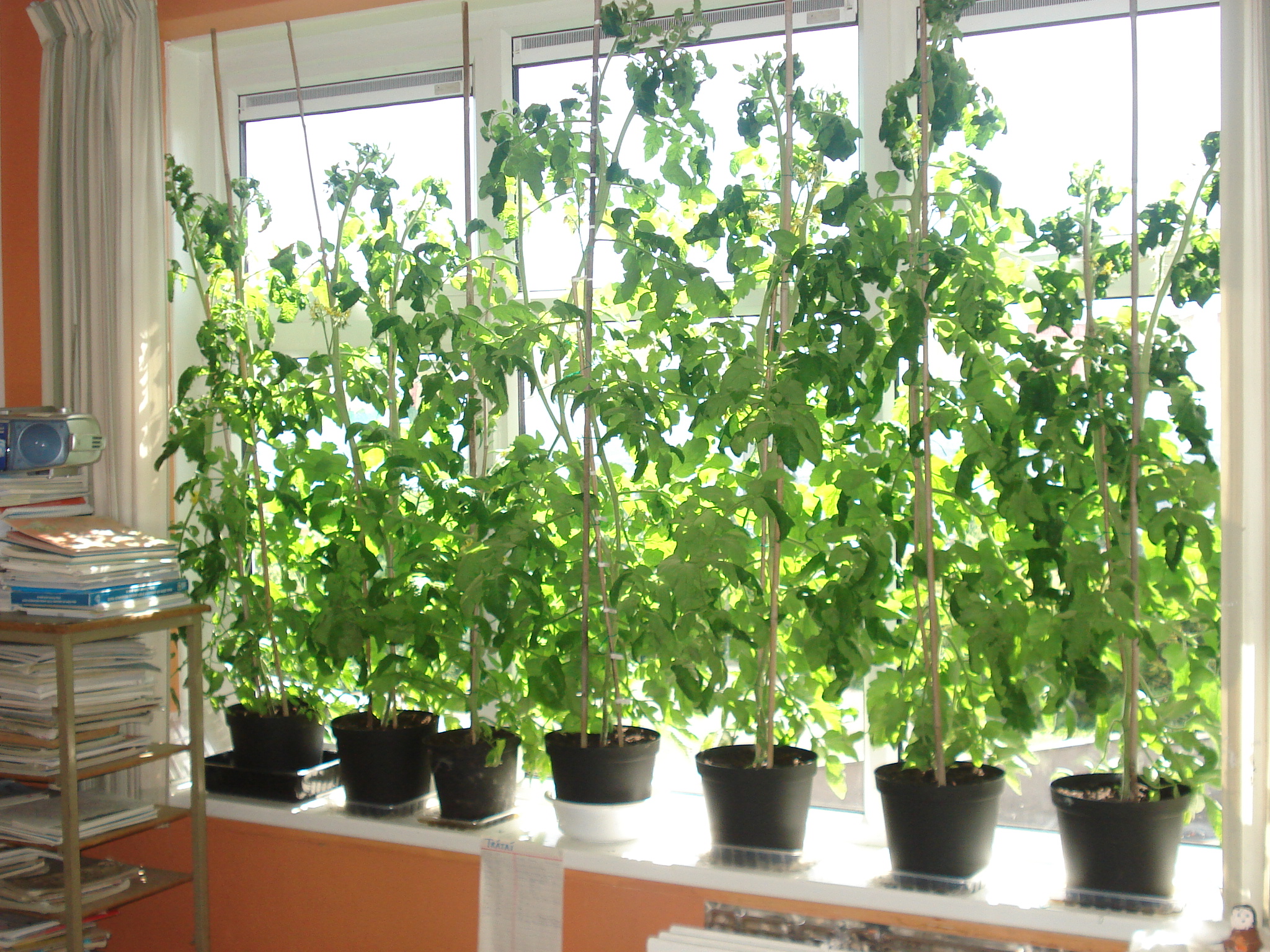
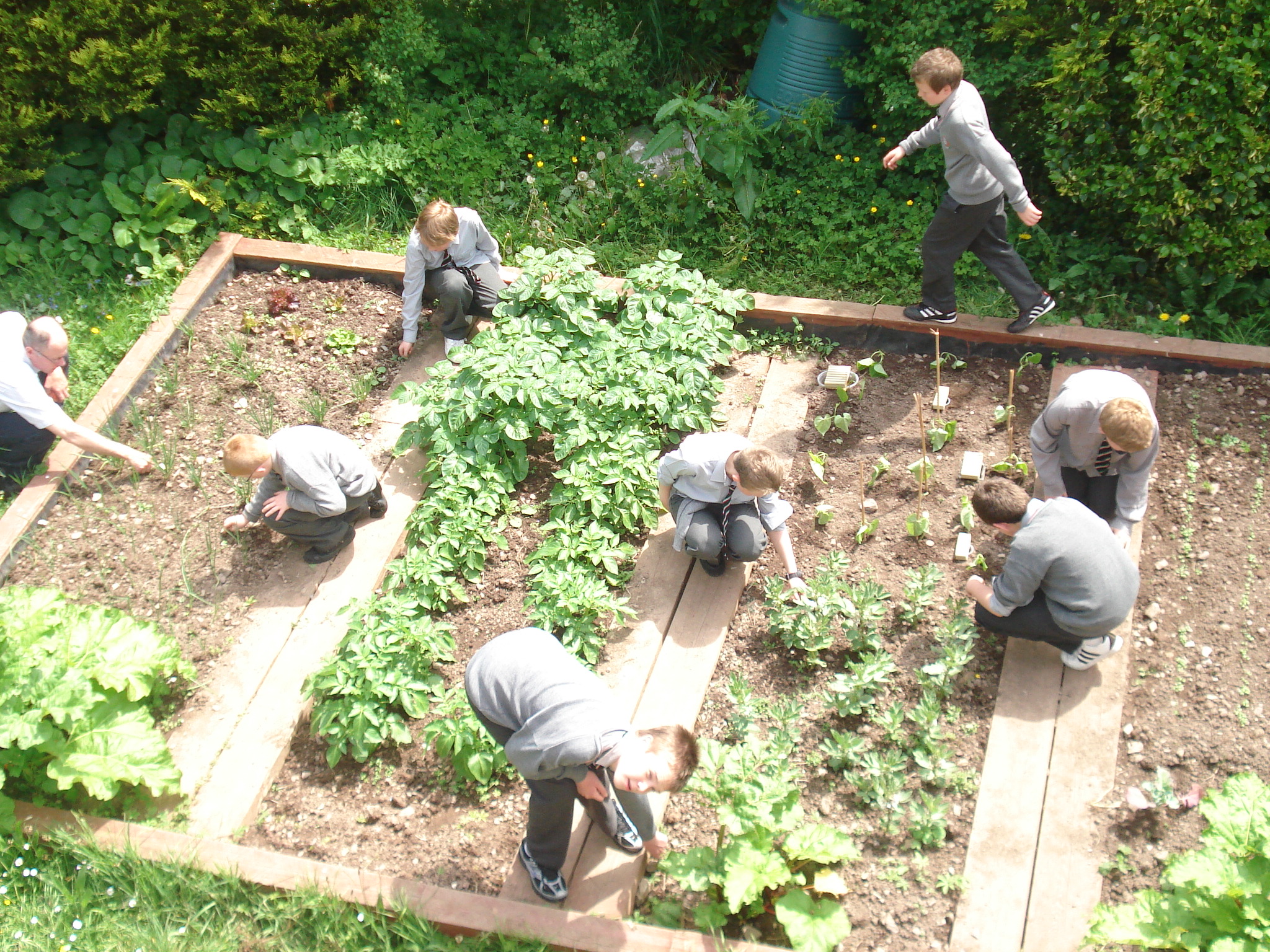
Mr. Fleming and pupils weeding in May 2010